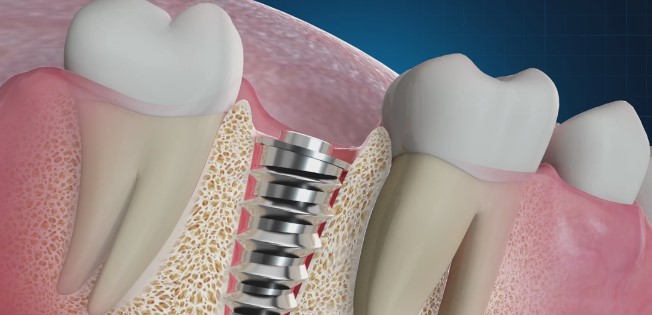
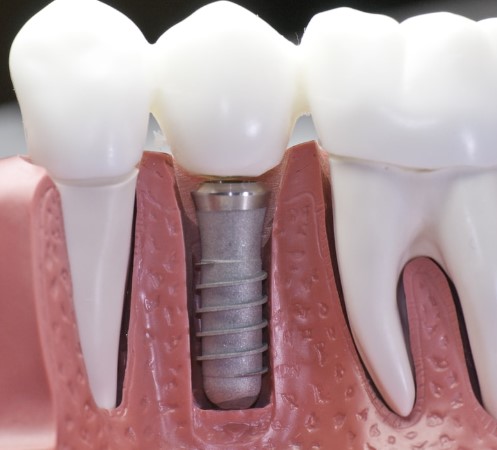
Dental implants are a revolutionary solution for restoring missing teeth and improving oral health. These small titanium posts are surgically placed into the jawbone, serving as sturdy anchors for artificial teeth. Understanding dental implants involves knowing their benefits, candidacy criteria, and the procedure's steps. Dental implants offer long-term success, enhanced stability, and natural aesthetics, making them a popular choice for patients seeking a permanent solution to tooth loss. If you're considering dental implants, consulting with a qualified dentist can provide valuable insights tailored to your unique needs and ensure the best possible outcomes.
If you're considering dental implants, you may be wondering if you are a suitable candidate for this transformative dental solution. Determining your candidacy for dental implants involves a thorough evaluation of your oral health, bone density, and overall medical history. A qualified dentist can assess these factors to determine if dental implants are the right choice for you. With their expertise, they can guide you through the process and provide personalized recommendations, ensuring that you make an informed decision about your dental health and well-being.
If you are contemplating whether dental implants are the right choice for you, understanding their benefits and the implant procedure is crucial. Dental implants, as discussed in the previous section, offer exceptional long-term success, stability, and a natural appearance. For those considering dental implants, seeking guidance from a qualified dentist is essential. A reputable dental practice, like Anderson Dental Professionals, can provide expert advice tailored to your specific needs. Their expertise and commitment to oral health make them an ideal partner in helping you achieve the best possible outcomes for your dental implant journey.
Dental implants come in various types to address different needs and preferences. Some common types include titanium dental implants, known for their durability and biocompatibility. Zirconia dental implants are another option, offering a metal-free alternative with excellent aesthetics. Endosteal dental implants are placed directly into the jawbone, while subperiosteal implants sit on top of the jawbone, suitable for patients with minimal bone height. Single tooth implants replace individual missing teeth, while multiple tooth implants are used when several teeth are missing. All-on-4 dental implants provide a full arch restoration with only four implants, and mini dental implants are smaller versions designed for specific cases. Immediate load dental implants allow for immediate placement of prosthetics, and implant-supported dentures offer enhanced stability and functionality. Understanding the various types of dental implants can help you make an informed decision about the best option for your oral health and smile restoration.
The dental implant procedure is a multi-step process that brings you closer to achieving a lasting and confident smile. The first step involves a comprehensive dental examination and consultation to determine your suitability for implants. Next, the implant is surgically placed into the jawbone, where it integrates and heals over several months. After successful osseointegration, an abutment is attached to the implant, providing a secure connection for the artificial tooth. Finally, a custom-made dental crown is placed over the abutment, completing the restoration. Throughout this journey, the expertise of a qualified dentist and adherence to post-operative care instructions play a vital role in ensuring the long-term success of your dental implants.
Recovery and aftercare play a vital role in ensuring the success of your dental implant surgery. Following the procedure, it's crucial to allow your body ample time to heal. Embrace a burstiness of self-care practices, including gentle oral care routines and resting to promote optimal recovery. Incorporate perplexing n-grams of post-operative instructions provided by your dentist, such as avoiding certain foods, taking prescribed medications, and attending follow-up appointments. With diligent care and attention, you can navigate the post-operative period confidently, promoting healing and long-term success for your dental implants.
| Factors to Consider | Benefits | Concerns |
|---|---|---|
| Oral Health | Improved aesthetics | Bone density requirements |
| Cost | Long-lasting solution | Initial investment |
| Candidacy | Enhanced stability | Existing dental conditions |
| Procedure | Natural-looking results | Healing time |
When it comes to ensuring the long-term success and maintenance of dental implants, a comprehensive approach is key. Emphasizing proper oral hygiene practices, such as regular brushing, flossing, and dental check-ups, is essential for preserving the health of the implants and surrounding tissues. Additionally, adopting a well-balanced diet and avoiding harmful habits like smoking can significantly contribute to their longevity. Monitoring any signs of discomfort or potential issues is crucial, as early detection and timely intervention can prevent more significant problems in the future. With diligent care and professional guidance, dental implants can provide patients with lasting, confident smiles and improved overall oral health.
When it comes to safeguarding your well-being, it is vital to have a comprehensive understanding of the potential risks and complications associated with various aspects of life. From medical procedures to everyday activities, being aware of the possible challenges can empower you to make informed decisions and take proactive measures. While some risks may be more apparent, others might be hidden, requiring a deeper exploration. Navigating through this labyrinth of uncertainties may seem daunting, but it is an essential journey towards maintaining a healthy and fulfilling life. Embrace the complexities, stay informed, and prioritize your well-being above all else.
When it comes to making informed decisions about tooth replacement options, comparing dental implants with other alternatives is crucial. Dental implants offer a long-lasting and durable solution, mimicking the natural look and function of your teeth. On the other hand, traditional options like bridges and dentures may have their advantages and limitations. Understanding the complexities of each choice, including factors such as cost, maintenance, and suitability to individual needs, empowers patients to choose the most suitable option. By delving into the intricacies of these choices, you can confidently make a decision that ensures a healthy and confident smile for years to come.
Dental implants have a profound and lasting impact on your quality of life, enhancing both your smile and overall well-being. These state-of-the-art replacements offer a natural look and feel, restoring the functionality of your teeth and boosting self-confidence. With their sturdy foundation, dental implants provide the freedom to enjoy your favorite foods and engage in social activities without worry. Beyond aesthetics, their ability to stimulate the jawbone helps maintain facial structure and prevents bone loss. Embracing dental implants means embracing a new chapter of life filled with renewed comfort, improved oral health, and the freedom to savor life's precious moments.
Considering dental implants? Making an informed decision for dental implants involves understanding the procedure, benefits, and potential risks. Dental implants offer a long-term solution for missing teeth, restoring both function and aesthetics. With advancements in technology and materials, modern dental implants provide improved comfort and success rates. However, it's crucial to consult with a qualified dentist or oral surgeon to determine if you are a suitable candidate for the procedure. Taking the time to research and learn about dental implants will empower you to make the best choice for your oral health and overall well-being.
If you have missing teeth and good overall oral health, dental implants are likely a suitable option. However, it's essential to consult with a qualified dentist or oral surgeon for a thorough evaluation.
Dental implants have an impressive success rate and can last a lifetime with proper care and maintenance. They are considered a long-term tooth replacement solution.
The dental implant procedure typically involves several stages, including a consultation, implant placement, healing period, and finally, the attachment of the crown. It's generally a safe and well-established process.
Insurance coverage for dental implants varies depending on your specific policy and the reason for tooth loss. Some plans may provide partial coverage, while others may not cover them at all. It's best to check with your insurance provider for details.